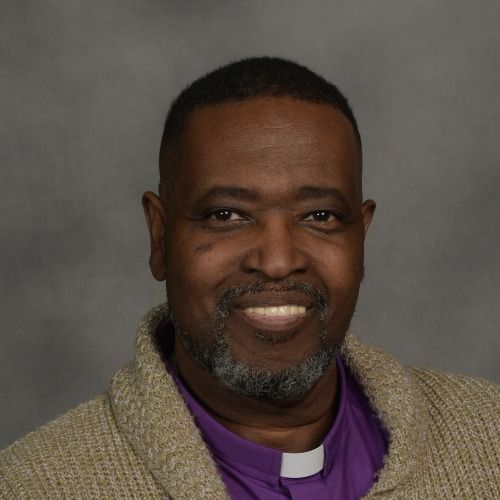
One Click Away: Understanding the Consequences of Online Actions
Today, we delve into the often misunderstood realm of criminal defense, featuring Saul Bienenfeld, a seasoned New York attorney with over thirty years of experience. Saul's candid insights shed light on the critical realities surrounding CSAM, a topic that carries profound implications for both legal practitioners and society at large. He emphasizes that CSAM is not merely a legal concern; it represents a deeply troubling violation of children's rights and dignity. With a zero-nonsense approach, Saul discusses the misconceptions surrounding defense attorneys and the vital importance of treating every individual with respect, regardless of the circumstances. Join us as we explore the nuances of the legal system, the ethical obligations of defense lawyers, and the pressing need for prevention and awareness in combating this grave issue.
A deep and engaging conversation unfolds as Saul Bienenfeld, an experienced criminal defense attorney, shares insights into criminal law and the complexities of defending clients facing serious charges. Saul's extensive experience, including time as a New York City Assistant District Attorney, enriches the dialogue as he reflects on the misconceptions surrounding lawyers and the legal system. This episode delves into the profound responsibility attorneys hold when representing clients, especially those accused of heinous crimes. Saul emphasizes the importance of treating every individual with dignity, regardless of their circumstances, and discusses how this ethical approach can profoundly impact both the attorney-client relationship and the broader justice system. He candidly shares anecdotes from his career, illustrating the delicate balance between legal ethics and the harsh realities of the courtroom, reminding listeners that behind every case is a real person with a life story.
The episode takes a serious turn as Saul addresses the alarming rise of CSAM in the digital age, illuminating the legal ramifications and the psychological underpinnings that lead individuals to engage with such material. His perspective sheds light on the often-overlooked aspects of these crimes, including the societal factors that contribute to the escalation of harmful behaviors. Saul passionately advocates for prevention and awareness, urging listeners to recognize the signs of unhealthy online behaviors before they lead to devastating consequences. This thought-provoking discussion not only informs but also challenges societal perceptions of crime and punishment, and the role of defense attorneys in advocating for justice and redemption.
In the latter part of the episode, the conversation shifts to practical advice for individuals who may feel they are on a precarious path towards illegal activity. Saul stresses the importance of seeking help early, emphasizing that the key to prevention lies in understanding one's urges and seeking accountability. He encourages open dialogues within families about the dangers of online behavior, aiming to create safe spaces for teenagers to express their concerns without fear of judgment. With a blend of humor and sincerity, Saul provides actionable steps for listeners to safeguard themselves and their loved ones, fostering a sense of hope amidst the harsh realities of the justice system. This episode is a compelling blend of legal insight, ethical reflection, and a call to action for personal responsibility and community awareness.
Takeaways:
- Treating everyone with dignity can create rewarding relationships, even in challenging environments.
- Misconceptions about lawyers often paint them as self-serving; however, many genuinely care about their clients.
- The serious legal implications surrounding CSAM highlight the urgent need for public awareness and prevention efforts.
- Understanding the psychological escalation that leads to CSAM offenses can help prevent tragic outcomes.
- Criminal defense attorneys advocate for clients while striving to uphold ethical standards and protect constitutional rights.
- Raising awareness about the devastating impact of CSAM on victims is crucial for fostering societal change.
Links referenced in this episode:
Transcript
Welcome to Becoming Bridge Builders Podcast where we explore conversations that inspire understanding and transformation. I am your host, Keith Haney. Today we're going to dive into the world of criminal defense and someone who knows the system inside and out.
Saul Beidenfeld is a seasoned New York criminal defense attorney with over three decades of experience defending clients against charges that can sometimes change their lives overnight. From high stakes felonies to sensitive allegations.
Known for a zero bs approach and relentless courtroom presence, Saul has served as a former New York City District Assistant District attorney in the special Narcotics Bureau, worked as a defense lawyer in Florida, and now stands as a trusted advocate in New York. Saul, welcome to the show.
Saul Bienenfeld:Thank you so much, Keith. It's a pleasure to be here.
Rev. Dr. Keith Haney:It's really a pleasure to have you here.
Saul Bienenfeld:It's a great honor to talk to you this morning.
Rev. Dr. Keith Haney:Yeah, I'm looking forward to this conversation. We're gonna dig into some interesting topics and we're gonna hope to bless the audience by our conversation.
But I'm gonna ask you my favorite question as we get started here. What's the best piece of advice you've ever received?
Saul Bienenfeld:The best piece I ever received was to treat everyone respectfully, with dignity and will always come back to reward you in the end. Even if it's somebody that you think is the lowest of the low, just treat them with dignity and you will be rewarded.
I love that we're all God's creations.
Rev. Dr. Keith Haney:We are. We are. Exactly. And we need to be able to do that.
And been able to do that, to me is so valuable, especially in today's culture that's a little bit more tense than it maybe used to be down the road.
Saul Bienenfeld:But I might not agree with somebody's political position.
I might not agree with what they're telling me, but they're a human and they're God's creation and I have to have respect for them and I have respect for their opinion, even if I don't agree with it.
Rev. Dr. Keith Haney:I love that. I'm curious. I've had a couple of lawyers on. I love to ask this question.
What do you think is the most common misconceptions about lawyers that the public has?
Saul Bienenfeld:Wow, there's a lot of misconceptions. The most common, I guess you want, they're all blood sucking vampires. We're only interested in our own financial gain.
And I am sure that there are attorneys like that. No, no doubt about it. I think I've met a couple of them in my career. I certainly am not.
I'm more concerned with the, with the client and the client's family as well, and the client's friends. I want a client who would like to have me over for their house for dinner, and I would have them over for my house for dinner. And we could.
We could talk. You know, I'll represent them.
I'll do the best I can, but we need to have some relationship where we could trust each other, even to the point that we might even become friends one day.
Rev. Dr. Keith Haney:I love that. What led you into this particular field? I'm just curious. Your story.
Saul Bienenfeld:So growing up, like, you know, all Jewish mothers, they say you have to be a doctor. And I didn't. I didn't do too well in chemistry in college. So I said, wow, what's the. What's the second option?
No, but seriously, what I really wanted to be when I grew up is an actor.
I thought it was great, and somebody sat me down and said, you know, most actors in Hollywood do not have jobs, and unless you really want to be a waiter waiting for a job as an actor, you're probably not going to make it. So I was disappointed, but I figured, what's the next best thing I could do? And that's to act in front of a judge and act in front of a jury.
So I was like, oh, you know what? Why don't I go to law, and I'll become a trial attorney, and I'll be acting every day in front of a judge and a jury. And that's what I did.
Rev. Dr. Keith Haney:I'm curious, thinking about your background as an assistant district attorney and now a defense lawyer. How did that transition shape your approach to defending clients?
Saul Bienenfeld:You know, it's very good to see to the other side of things, and I think it's very important. When I graduated law school, I had this itch, this urge to try cases right away.
And the only place you're gonna try a case right away is in the DA's office or on legal aid. If you go to a big firm, you could be, Wait five, six years before they give you a trial.
So I went to the DA's office, but it was very important to see how the government functions, how the district attorney's office functions, how they bring cases, and more importantly, what cases they don't want to bring. There's tremendous, tremendous education and ethics when you work for a government organization and how to become an ethical attorney.
And I think that really helped me in my role as a defense attorney. People think defense attorneys are sharks that will do anything to help their client. That's not true. It's not anything.
It's anything within reason, and that is ethical and legal. So, yeah. And I think that really molded me and gave me a foundation to continue as a defense attorney.
Rev. Dr. Keith Haney:Have you ever defended a client that you didn't like, but you had to bring the best defense for them anyway?
Saul Bienenfeld:No, no, no. I always find something I like in my clients. Always. I will always find something I like. It could be their family that I like, their family.
So I'll defend them to the best of my ability. But even.
Even the most heinous of crimes and the most, you know, loathsome clients that people would see as a loathsome person because of the crime they're accused of, I will find a redeeming value and a redeeming quality, and I'll be defending the person because of that redeeming quality and redeeming, you know, redeeming reason. And most people who are accused of crimes probably have a background of maybe addiction or mental illness or something.
No one just wakes up in the morning and says, okay, today I'm gonna go ahead and commit a rape. It doesn't happen.
There's something that, you know, I could see and feel and say, wow, I really feel bad for this person that they had to have this outcome, and it could help me defend them.
Rev. Dr. Keith Haney:Wow. So let's dig into kind of what we talked about before we got on the show, and that is kind of what is a trend you're seeing today that you're.
You're starting to kind of really get behind to say, hey, let me raise it. Raise the warning on this particular incident.
Saul Bienenfeld:Right? So it's called csam. Csam. It's known as child sexual abuse material. And now let's get one thing absolutely clear right from the start.
CSAM is not child porn. It's not some taboo corner of an adult entertainment business. It's evidence of a crime committed against a child. Period. End of story.
Now, I'm a criminal defense attorney, and I've handled sex crime cases in the past, But I've seen how people make catastrophic decisions, and I've seen what happens to the victims whose abuse ends up online forever. Nobody wins in this world. The only meaningful outcome would be prevention.
So we need to talk honestly about it, because people are clicking on the wrong sites and doing the wrong things, and it needs to be discussed.
Rev. Dr. Keith Haney:So tell us a little bit about what that crime is you talked about. It's not particular child pornography, but it's. So tell us exactly what that crime is.
Saul Bienenfeld:Right. So when people hear csam, they imagine something abstract. It's not abstract.
Legally, CSAM is any visual depiction of a minor engaged in sexually explicit conduct. So it could be photos, videos, digital images. That's all illegal. There's no gray area, there's no loopholes.
If a minor is involved in sexual conduct, it's a felony. And the second thing most people misunderstand is this. You don't get to say, oh, it was an accident.
I clicked on it by accident, I downloaded it by accident, I saved it by accident, I shared it by accident. The law treats all downloads, all saves, all shares as an intentional act, unless your attorney could prove it otherwise.
But the law, the government, will treat it as an intentional act. It's one of the strictest areas of federal crime and for good reason. The government has made a trend of catching these people these days.
It's happening. In the last month, I've signed up four cases like this.
So I really would like to break it down into, you know, the three big categories that people hear about for your listeners, and that's production, receipt and possession. And they're not the same thing.
Rev. Dr. Keith Haney:So, yeah, break that down for us.
Saul Bienenfeld:Yeah, yeah, yeah. Production is the absolute worst under federal law.
Production includes persuading, inducing, enticing, coercing a minor to create sexually explicit material. Now, let me repeat that. You don't need a camera crew, all right? You don't need a Hollywood studio. You don't even need physical conduct, all right?
Or contact, rather. You don't need physical contact. So if you message a minor and convince them to send you a sexual image, the law considers that production.
Production carries a mandatory minimum of 15 years in prison. And sometimes you're lucky. If you only get 15 years, there's no chance of parole either.
That charge alone is a life altering and often life ending charge for people. It's really scary. And you might text some girl who's 15 years old, say, take off your shirt.
And once you've done that and received a picture in return, you're facing a minimum of 15 years because of that. Four words. Wow. Then there's something. The second category is receipt. Right now, receipt means that you actively obtained the csam.
You downloaded it, you requested it, or you searched for it and you accepted it from somebody else. And that mandatory minimum is five years in federal prison for each picture that you got.
Rev. Dr. Keith Haney:Wow.
Saul Bienenfeld:So if someone knowingly pulls this material onto their device, a phone or computer, even once, that's enough. And people don't realize how low the threshold is. It's pretty Scary.
Rev. Dr. Keith Haney:Wow. Yeah.
Saul Bienenfeld:The third category is possession. Now possession is the lowest tier legally, but it's still a felony.
It means that you had CSAM on your device without proof that you intentionally sought it out. So there's no mandatory minimum. But don't kid yourself, you're still facing prison, the sex offender registry, and a lifetime of consequences.
Your job, your family, your ability to live anywhere or use the Internet, all of that would change forever. Nobody walks away from CSAM convictions, ever. Wow. So, you know, let's talk about, you know, something that the public never sees.
You know, who gets charged with these crimes? People imagine that there's some shadowy predator in the basement, you know, with a raincoat. That's not the reality.
The reality is it's middle aged people, mostly men. People with degrees, doctors, lawyers, clergy, people with families, people with no prior arrests ever.
People who are isolated, depressed, compulsive, addicted to online sexual behavior and not thinking about the consequences until it's way too late. Now, I'm not trying to gain sympathy, what I really am trying to tell you, List, is that I'm trying to prevent the crime from happening.
If you don't understand the psychology, you can't stop the behavior, right? Most CSAM cases start with something called escalation.
So someone watches adult content and they watch some more and they need something more extreme. And their brain gets so desensitized, they chase novelty, they lose control.
And then one night, sometimes at 2 o' clock in the morning, and you're alone and you're in a shame spiral, they cross a line that they would never have crossed before. And that one click becomes a federal charge. I can't tell you how many times I've heard.
I don't know what I was thinking or I never thought I'd be one of those people. The truth is, nobody ever thinks they will be.
Rev. Dr. Keith Haney:Wow. And you talk about how that one click can ruin your life.
So as you prepare to kind of represent people like this, what are the things you're going through as you prepare a case to defend them?
Saul Bienenfeld:Well, you know, people need to understand how this actually starts, you know, because people think that they're invisible online, that they're not invisible. You know, the law enforcement have monitors out there and they're monitoring your IP address.
Sometimes there are peer to peer networks that are exposing you, downloads, there's cloud service flags that upload automatically and know what's going on. There are sting operations everywhere. Your Internet provider logs everything.
Forensic analysis can recover deleted files, hidden files, encrypted Files, all of it. No one is safe from this. And people tell me, oh, but I'm using incognito mode. It doesn't matter. I deleted it. It doesn't matter. I turned on a vpn.
It doesn't matter. Forensics will always catch up to it.
And if you download legal material once, even for a few seconds, chances are it will be detected sooner or later. You can't outsmart the federal agents. No one has done it. No one will do it. And here's the part I want every listener to hear carefully and clearly.
If you feel urges, compulsions, or escalations, not toward illegal material yet, but in general, that is the time to act. That is the moment where lives can still be saved. This is not a crime. It's a warning. Everyone says, well, it's not a crime to watch porn.
No, but it's a warning that it may become porn and you absolutely can shut this down before it even becomes a crime. And I could discuss the ways of how people could shut it down, if that's what you want to get into.
Rev. Dr. Keith Haney:Yeah, so let's go into that.
Saul Bienenfeld:So there are certainly Internet tools to be used. They could install blocking accountability software to block, you know, any porn from coming onto a computer.
One suggestion I give people is to remove the privacy from your devices, because people think that if they're incognito or they're using hidden apps or they're using VPNs, that, you know no one's going to find out about it. So accountability sometimes kills the temptation. And thirdly, you might need professional help.
You know, many people who develop dangerous compulsions are dealing with trauma, depression, loneliness, shame, ocd, like behavior, sexual compulsivity. So you need a therapist who specializes in this area and can interpret the pattern early. You're not confessing to a crime, you're preventing one.
And that's what's important. You need to break the escalation loop.
If you feel disgusted after watching material that's adult material, that's your brain telling you to pull back. Don't ignore that signal. You know, the brain shoots out a bunch of dopamine.
When you're watching this material, you need to find another way to get that dopamine out. So exercise, meet up with friends, go into a routine, maybe do recovery groups. Faith. Faith Based really works.
Also, go to church, go to synagogue, do therapy. There are things that could help people stay grounded. And what's really important is to talk about it.
Tell someone you trust, maybe a partner, a mentor, a therapist, a Clergy member, not about the illegal behavior. Don't talk about the illegal behavior, because you might not have crossed that line yet, and there's nothing to confess.
But you can say something like, you know, I'm afraid of where my behavior is heading, and I need help to stay safe. You know, that sentence alone could prevent countless crimes.
Rev. Dr. Keith Haney:Wow. What other things would you advise people who are hearing this going, I think that there is a problem here. What do I do if, say, you. You're.
You're in that loop or you're thinking, this could easily happen to me? What do you. What do you tell people who are maybe caught in that loop?
Saul Bienenfeld:So I've.
I've had clients sit down right in the beginning of their CCM experience, You know, and I could feel like, I feel their pain and I feel their anxiety, and I can know right away this is going to escalate. You know, a lot of people ask me for advice, how do I get rid of it? Like, that's not my job to tell you how to. How to get rid of it, you know, and.
And that's probably not legal for me to tell you how to get rid of it. And truth is, I don't even know how to get rid of it, quite frankly.
Rev. Dr. Keith Haney:Right.
Saul Bienenfeld:No, you know, it's there. It's out there already. But I can, I can tell you, and I can recommend therapists to you. I can recommend always.
You know, I really would like to educate clergy more about this. I think that sometimes people speak to their clergy, and their clergy really have no clue and no idea of, like, what's going on in the outside world.
And I'm not saying I'm. I'm saying they're doing so much that they haven't really focused in on this. And clergy does need to focus in on this.
Clergy needs to be educated that this addiction to the Internet, and especially addiction to pornography on the Internet, ultimately leads to criminal activity. I'm not looking to stop anyone's First Amendment right. I'm not looking to. I'm not on a campaign to stop pornography on the Internet. I'm not.
I'm looking to stop for one individual who needs the help, who comes to me and says, you know, I need help. I think I've committed a crime. I want to help them in terms of preventing a future crime from happening or a worse crime from happening.
And I think the first person is, if this person has, you know, a religious mentor or a clergy member, that they could go to just start with that. But it has to be a Clergy member that understands the compulsion, understands the addiction. After that, I would recommend a therapist.
Definitely go see whether it's a social worker, whether it's a psychologist, psychiatrist, whatever you need. Go see somebody and be a hundred percent honest with that person. Let them know what's going on in your life. And they may recommend a recovery group.
There are so many recovery groups. There's Porn Anonymous, there's Sex Anonymous, the Sexaholics Anonymous. There's sex addiction programs where people go to.
And I find that it's helped. People in recovery are doing great. And it's an important step to take to first admit it, I have a problem.
And when you come to me and you admit it and I pointed out that you do have a problem, hold on to that admission. Understand that you have a problem and that you're going to continue looking for a solution to that problem, because there is a solution.
It's not hopeless. And I really hope that people could prevent it early before it gets out of hand.
And than they're coming to me as a client because they've been arrested for possession of child porn.
Rev. Dr. Keith Haney:I noticed they're also targeting kids a lot online in different places. How is, what are you discovering as, as that's happening? Even with our, with our young people, our teenagers?
Saul Bienenfeld:There were a lot of teenagers who are on gaming sites and of course on TikTok, which is huge.
And, and they're being scammed and no one is protecting them and no one is looking at their devices and they're free to do whatever they want in their devices. And it's, quite frankly, it's very harmful.
Everybody wants to, you know, don't, don't, don't go into my business, mom and dad, you know, it's my business, my privacy. Don't invade my privacy. Don't come into my room. But there are kids that need help.
And honesty and openness in a family is what's really going to help.
Sit down and have a discussion with your child and tell your child, come to me with any problem you have, come to me with any issue that you're having, and I promise I won't punish you and I won't judge you. I just want to help you. And if more parents could sit down and have that talk with their teenagers especially, I think it would be very helpful.
Rev. Dr. Keith Haney:Yeah, I can imagine.
As you're doing and working in this field, are there any things that you are also helping other lawyers who are maybe starting to get some of this work as well, or these clients as well? Any Advice you have for lawyers?
Saul Bienenfeld:Yes. If, if you're not proficient in it, don't do it. All right?
Because you need to understand, you know, even with these rules, there are so many different levels. You know, sometimes someone accused of this crime is better off taking a 15 year minimum than a 5 year minimum. Let me explain.
So the 15 year minimum is for production. In other words, the government says you told this girl to take off her clothes and to send you a picture. Okay.
And you say you're facing 15 years because of that. Now, the five year minimum would be because you received it. Right. The problem is you might have received a thousand pictures, that's 5,000 years.
But you only asked once for somebody to take off their clothes. That's 15 years. So you have to be very adept at understanding the sentencing guidelines and understanding the nuances there and try to.
It's not easy to convince a client. By the way, you'll do less time if you take a 15 year sentence than a five year sentence because it doesn't sound logical.
But you need to be really sharp and adept at the sentencing guidelines and how the prosecutors think and what they're looking for before advising a client on a plea and especially on, before advising a client whether to go to trial or not. How easy it could be or not easy it could be for the government to win a trial like this.
So that's an important point that people have to really understand and make. And I'll be very happy to help any attorney that calls me to want to understand it, to, you know, to unwrap it.
I want clients to be assured that they have the best possible representation and you don't have to use me for that. If you use somebody else and somebody else has a question, please feel free to call me and I'll try to walk you through it.
I want people to have better representation and I want attorneys to do a better job at representing clients, especially in CSAM cases, because the stakes are so high.
Rev. Dr. Keith Haney:We're just kind of scratching the surface of this. What else does the public not know about this that we haven't really talked about so far?
Because we're just kind of laying out, here's what it is, here's plus, here's the sentencing. But we talked about a little bit about how you get into it. What else don't we know that we should know?
Saul Bienenfeld:Wow. So most, most people will carry this type of material on their phone, right? That's where most of the government knows where the pictures are.
And most people think, well, I'm in this country, I have a Fourth Amendment right. No one can just come and search my phone. And for the most part, that's true.
But the government can get a search warrant and walk over to you and say, hi, I'm from Homeland Security. Give me your phone. I have a search warrant for it.
And then they take the phone, they hook it up to a computer, and they see every single thing that ever came into that phone. Everything, all right?
The computer will spit out every image, every text message, every email, every phone call, whatever you saved on that phone, even if you didn't save it, even if it's deleted. This machine will find deleted files as well. So that's one thing you need to be careful about what you have on your phone.
The second thing you need to be careful about is when you travel internationally. You see, we have something called the border search exception.
So if you travel internationally, whether you're leaving the country or coming into the country, you're subject to a search of your. The goods that are on you. And the phone is considered a good. You know, because we don't want people bringing in cocaine to the country. Right?
So you know that all the suitcases get open. Right. And we don't want people bringing, you know, over $10,000 or drugs out of the country.
So you give up that right, that Fourth Amendment right to be searched. And guess what?
Your phone could be searched also, you know, and an agent could come over to you because they have suspicion that you might be involved in this and say, give me your phone. What's your passcode? Open up your phone and find a picture of a minor that's, you know, sexually explicit. You're not making that trip.
You're getting arrested.
Rev. Dr. Keith Haney:Wow. Did not know that.
Saul Bienenfeld:Yeah.
Rev. Dr. Keith Haney:So this is not something that we hear a lot about. Until somebody really important gets caught, what else are we not knowing about what's happening in our country?
How prevalent is this that you're talking about?
Saul Bienenfeld:It's becoming more and more prevalent, that's for sure. Um, this is mostly investigated by Homeland Security officers. Um, everyone thinks Homeland Security, they're protecting our border.
They're making sure illegals don't come in. Well, they also have a unit to protect children as well.
Um, there's also something called ncmec, which is the national center for Exploited and Missing Children. Um, that is an organization.
It's not a government organization, it's a private organization that looks at all pictures of minors that are sent to them. They can determine from the codes on this picture whether it were Sent in the past.
Sometimes they actually know who the victims are, who these people are. They know where it was sent, they know the IP address it was sent to, and they send that information over to the government.
And it's called a hit, a nick mic hit. Right. And then the government takes that and starts an investigation to see who this person is.
And they could read the text messages and they could see the pictures, and they could see where the IP address and they know where the house is or the office is or whose phone it is and who's registered to that phone. And now they have all that information about the person because NCMEC got a picture.
So all it took, one image that was sent to the national center for Exploited and Missing Children, they got a picture of and they wrote a report. And now the government knows about it and the government's investigating it. And usually that follows with an arrest.
Rev. Dr. Keith Haney:Wow, this is, this, is this first. Well, I've heard a lot about this, but this is the first time we've actually dug into this kind of a topic. This is really.
It's heartbreaking in so many ways that so many people get caught up in this. As, as someone who's, who's been involved in this, what are you helping to do? I know.
Besides defending people and getting awareness out, what else can we do as a public to make more people aware of what's going on?
Saul Bienenfeld:Well, you know, I think we need to discuss the human impact because unfortunately that gets forgotten a lot. You know, every single file, every single image of CSAM involves a real child.
A child who was abused, a child who grew up knowing that strangers trade the worst moment of their lives. A child who lives with the knowledge that the images of their trauma are permanent. Every view of that picture is a new violation.
Every download is a revictimization of that child. You know, CSAM is not a curiosity, it's not a kink, it isn't an addiction that you could justify. It's real child trauma.
And if that doesn't hit you in the chest, I don't know what will. People have to realize that, that it's not just. It's not just a painting, it's a real person behind that picture.
And if you're listening to this and you're afraid because you feel out of control, you know, you have two things working in your favor. Number one, you might not have broken the law yet, which is good. And number two, you're aware enough that you could stop before you do.
Urges are not crimes, and thoughts are not crimes. But a single click can destroy your life and permanently harm a child. There's no second chances once you cross that line, unfortunately.
So if you need help, you should get it now. You should find a therapist, be accountable for your actions. You can find support groups. There are resources out there.
You know, you can turn it around. You could stop the escalation. You can protect children, you can protect yourself. You know, the silence is what kills everything.
The silence breeds more secrecy, and the secrecy breeds the harmony, you know, so talking about this openly, without shame, is how we can actually prevent the crimes and protect the most vulnerable among us, the children. And that's really what I want to do.
I mean, I defend people for a living because I feel bad that they got involved in this, and I understand how they got involved in it, but the truth is, I want to prevent it. I want to stop it at the source. I want people to understand that it's a dangerous crime and there's a real victim behind it.
Rev. Dr. Keith Haney:No, that's really important. Anything I haven't asked you that I should have asked you.
Saul Bienenfeld:Wow, great. I love that question. We can spend hours on that. People always ask me, is it hopeless? It's not hopeless. Cases have defenses to them.
We could always find a defense. We could always bring a defense. There are plenty of motions that could be made.
Sometimes evidence is taken unconstitutionally and it could be overturned. So they're, you know, I. I protect the Constitution as well as my client. It's not hopeless. And there is. There is a path forward.
You know, there is recovery. There is life after getting caught. But I don't want people to get caught. I really don't. I can make a living with other cases.
I don't need to make a living on CSAM cases. I really want prevention. I want people to understand that there's.
There's a victim and there's harm, and we need to stop it and prevent it from happening. And if you feel like your life is getting out of control because you're watching too much porn and you think to yourself, oh, but I'll never.
I would never watch that watch. It happens. It happens to everyone. It escalates out of control. Get the help you need now.
Rev. Dr. Keith Haney:I love that. I'd love to ask this guest my other question. So what do you want your legacy to be?
Saul Bienenfeld:Wow, my legacy. That's a great question. I wasn't expecting that. You know, what do you want people to say at your funeral? Right?
You know, there's the Hippocratic oath, and I'm Not a doctor is, you know, above all, do no harm.
I would like people to think that I did no harm in this world, you know, that I left a legacy of somebody who was an honest person, who didn't harm people, who tried his best. That's pretty much all I would imagine. You know, above all, do no harm.
Rev. Dr. Keith Haney:I love it. So in season six, we have a new thing too. You ask a surprise question. Pick a number between 1 and 10 for your surprise question.
Saul Bienenfeld:4.
Rev. Dr. Keith Haney:No one's picked 4. Let's see where this one is. Oh, this is great. If you got stuck in an elevator and were forced to listen to only one song, what would you pick?
Saul Bienenfeld:Great song. All right, what would I pick? Trying to think of the name of the song. Because I could hear it in my head. I'm just trying to think of the name.
Rev. Dr. Keith Haney:Who's it by?
Saul Bienenfeld:That's a good question. It was. It was the closing scene of the Sopranos. What's that song?
Rev. Dr. Keith Haney:I don't know that one. I don't know that one.
Saul Bienenfeld:It's a great song. And it's a long. It's a long song also.
Rev. Dr. Keith Haney:That'd be great. I thought you're gonna pick something by Frank Sinatra, but no, no, no.
So, Sal, where can people connect with you if they wanna learn more about these kind of cases and lawyers wanna get in touch with you if they have some. Want some professional advice, where can they best find you?
Saul Bienenfeld:So I have a website, biennfeldlaw.com. everyone could find that. And you can find me there. And by the way, I just remember the. It said Don't Stop Believing by Journey.
Rev. Dr. Keith Haney:Oh, I love that song. Yes.
Saul Bienenfeld:Don't Stop believing. Right? That's the song. It just comes. You know, sometimes you stop thinking about something, it just comes to you.
But yeah, Definitely go to benafieldlore.com you can find me there. You can find me on Instagram. I'm on Facebook for Bien and feldlore and on YouTube as well.
So you can always see more stuff about CSAM and other things and other interesting cases I have on my YouTube channel, which as being a fudlo as well.
Rev. Dr. Keith Haney:Well, Saul, thank you so much for sharing your insights about this really, really important topic that we're experiencing today. For the listeners, you can learn more about Sal and his work and connect with him through the links that will be in the show notes. Until next time.
Keep building bridges. Keep building understanding and hope.
And don't give up, because whatever you may be caught up in, there's still an option and God still has in control of your life. Thank you so much Sal for your thank his pleasure.